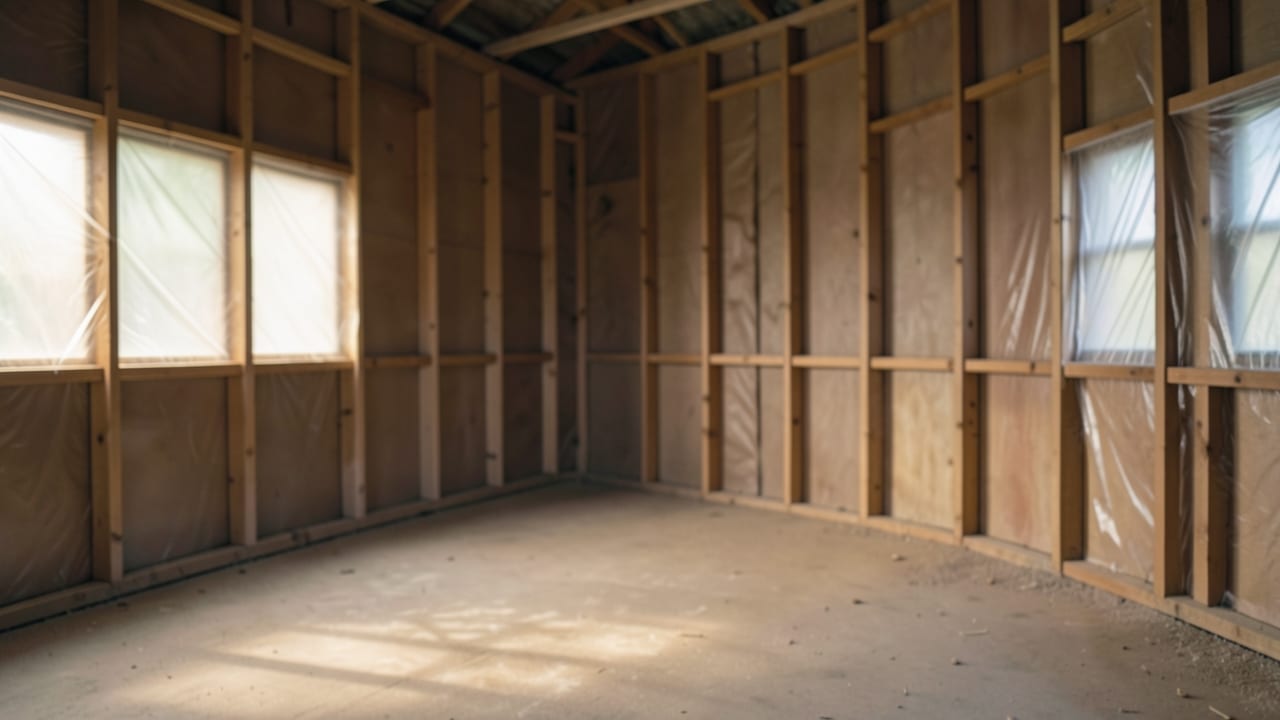
Mold Removal & Remediation
Mold removal and remediation in Park Hall, MD — containment, HEPA filtration, and removal of affected material following industry (IICRC S520) protocol.
Park Hall, MD homeowners trust our professional mold removal and remediation services to safely eliminate mold growth and restore healthy indoor air quality. We follow IICRC S520 standards to contain, remove, and treat mold at its source, not just the surface.
Why Professional Mold Remediation is Critical
Mold isn’t just unsightly—it compromises structural integrity and can pose health risks. Remediation goes beyond surface cleaning by physically removing mold and contaminated materials to prevent regrowth.
We also handle Crawl Space & Basement Mold Remediation and Attic Mold Remediation for Park Hall properties.
In Park Hall’s humid climate, mold often spreads unseen behind walls or under flooring. Our process ensures spores are contained and removed, not just redistributed.
Signs You Need Mold Remediation
- Visible mold growth on walls, ceilings, or floors
- Musty odors, especially in basements or bathrooms
- Water stains or discoloration on drywall or wood
- Unexplained respiratory issues or allergies worsening indoors
What to Expect During Remediation
We begin by sealing off the affected area with containment barriers and using negative air pressure with HEPA filtration to prevent spores from spreading. This step is non-negotiable for safety and effectiveness.
Porous materials like drywall or insulation with significant growth are removed and replaced, while non-porous surfaces are treated with antimicrobial solutions and HEPA-vacuumed.
| Material Type | Remediation Approach |
|---|---|
| Drywall, Insulation, Carpet Padding | Removed and replaced |
| Framing Lumber, Tile, Concrete | Treated with antimicrobial, HEPA-vacuumed |
| Furniture, Personal Items | Cleaned or discarded based on contamination level |
How Mold Removal & Remediation Works
Our process follows IICRC S520 standards to ensure thorough, safe mold elimination.
- 1Containment Setup
The affected area is sealed with physical barriers and placed under negative air pressure with HEPA filtration to contain spores.
- 2Material Removal
Porous materials with significant growth (e.g., drywall, insulation) are removed and bagged for disposal. Non-porous surfaces are prepped for cleaning.
- 3Antimicrobial Treatment
Non-porous surfaces are treated with an EPA-registered antimicrobial to kill remaining mold spores, then HEPA-vacuumed.
- 4Clearance Testing
A third-party test confirms the area meets safe spore-count levels before containment is removed.
Frequently Asked Questions
How long does mold remediation take?
Timing depends on the extent of growth and materials affected. Small, contained areas may take 1-2 days, while larger or hidden infestations can require a week or more.
Will my insurance cover mold remediation?
Coverage varies by policy. If the mold resulted from a covered peril like a burst pipe, your insurer may pay. We provide detailed documentation to support claims.
Can I just clean the mold myself?
Surface cleaning or painting over mold only addresses visible growth. Without containment and proper removal, spores can spread, leading to recurrence or health risks.
What affects the cost of mold remediation?
Pricing depends on the size of the affected area, type of materials, and whether structural repairs are needed. Call for an inspection and firm quote.
See Long Beach, MD for more, or see our full crew's Park Hall services in detail for our complete lineup.
Ready to get started?
Talk to a local mold remediation pro in Park Hall — get a written quote.
Other Mold Remediation Services in Park Hall
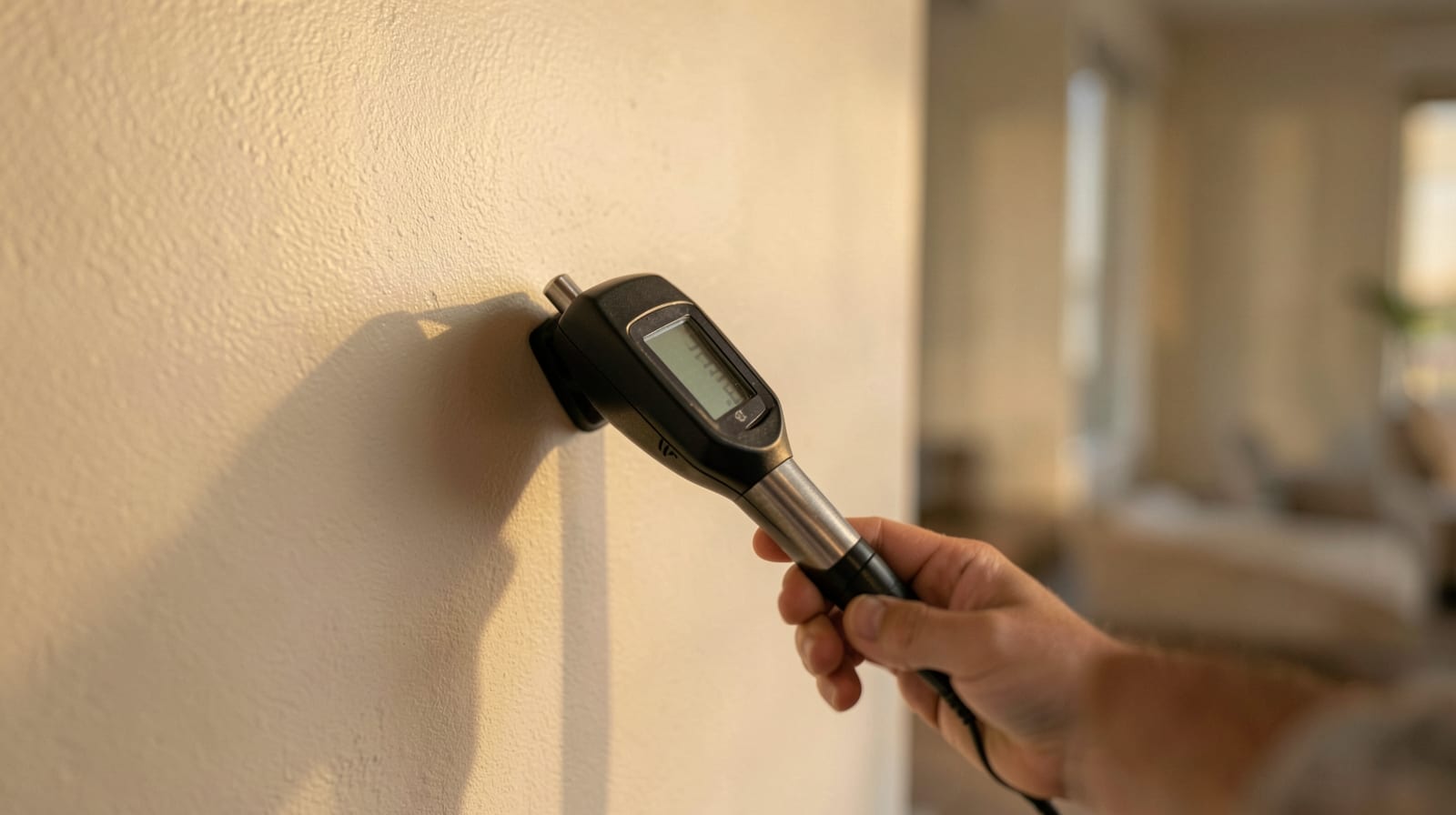
Crawl Space & Basement Mold Remediation in Park Hall, MD
Crawl space and basement mold remediation in Park Hall, MD addresses the two areas of a property most prone to trapped, unnoticed moisture.
Learn More
Attic Mold Remediation in Park Hall, MD
Attic mold remediation in Park Hall, MD addresses roof-deck growth typically caused by poor ventilation or a hidden roof leak.
Learn More Commercial Mold Remediation in Park Hall, MD
Commercial mold inspection and remediation in Park Hall, MD for offices, retail space, and multi-unit properties, scheduled around business operations.
Learn More
Mold Prevention & Moisture Control in Park Hall, MD
Mold prevention and moisture control in Park Hall, MD — addressing ventilation, humidity, and drainage before growth starts, not after.
Learn More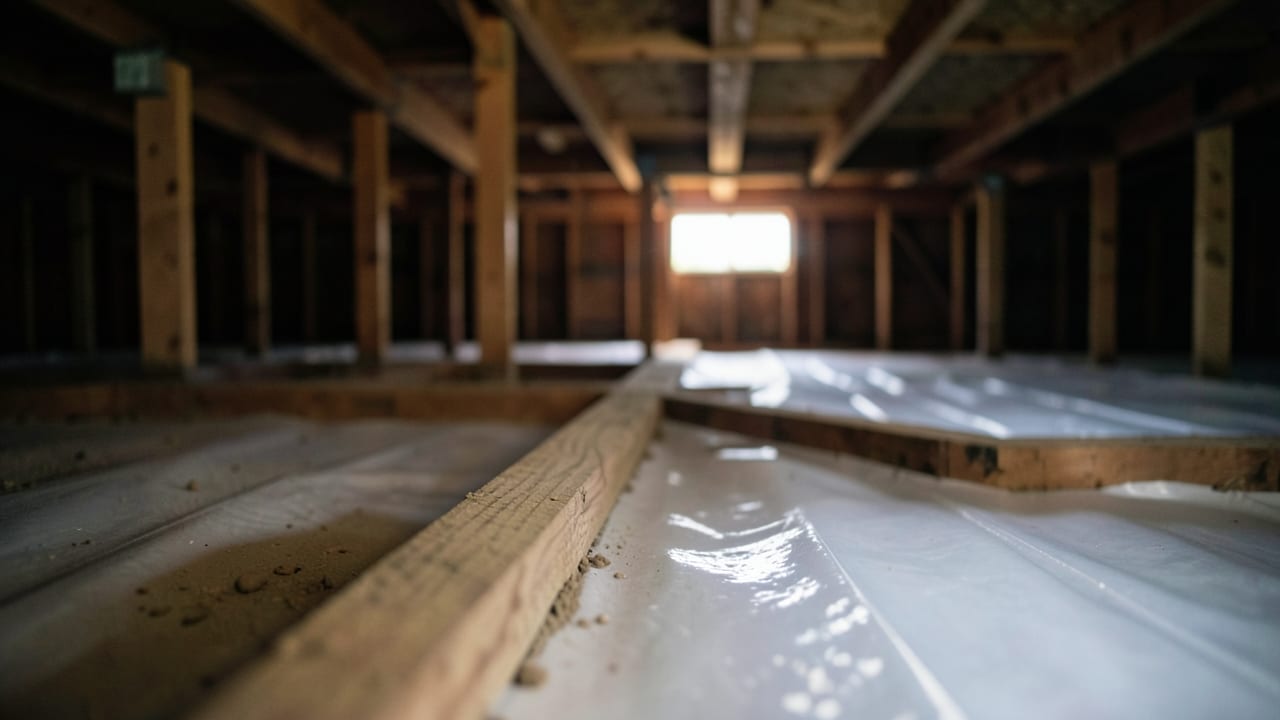
Mold & Asbestos Testing in Park Hall, MD
Combined mold and asbestos testing in Park Hall, MD — one inspection visit, lab-verified results for both.
Learn More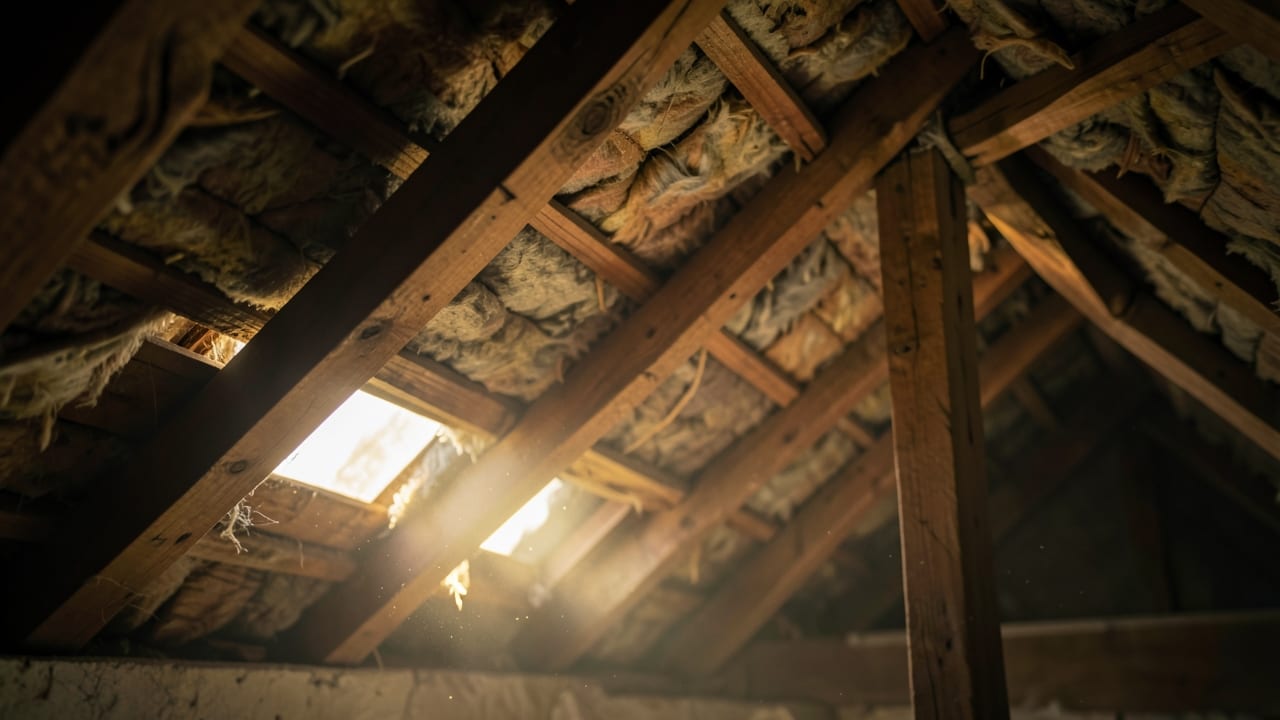
HVAC Mold Remediation in Park Hall, MD
HVAC and ductwork mold remediation in Park Hall, MD — mold growing inside the air handler or duct system, spreading through every vent.
Learn MoreCommon Questions About Mold Remediation in Park Hall
Everything you need to know about mold remediation services in Park Hall
How much does Mold Removal & Remediation typically cost in Park Hall, MD?
Why does Park Hall, MD's humidity make mold a bigger risk than in drier regions?
Is it safe to stay in the home during mold remediation?
Can small mold problems be handled without hiring anyone?
What's the actual difference between mold removal and mold remediation?
Is a final clearance test part of a typical mold remediation job?
Need Mold Remediation in Park Hall?
Connect with local providers in Park Hall for a detailed quote.
⏰ We answer your call • Serving all of Park Hall and surrounding areas