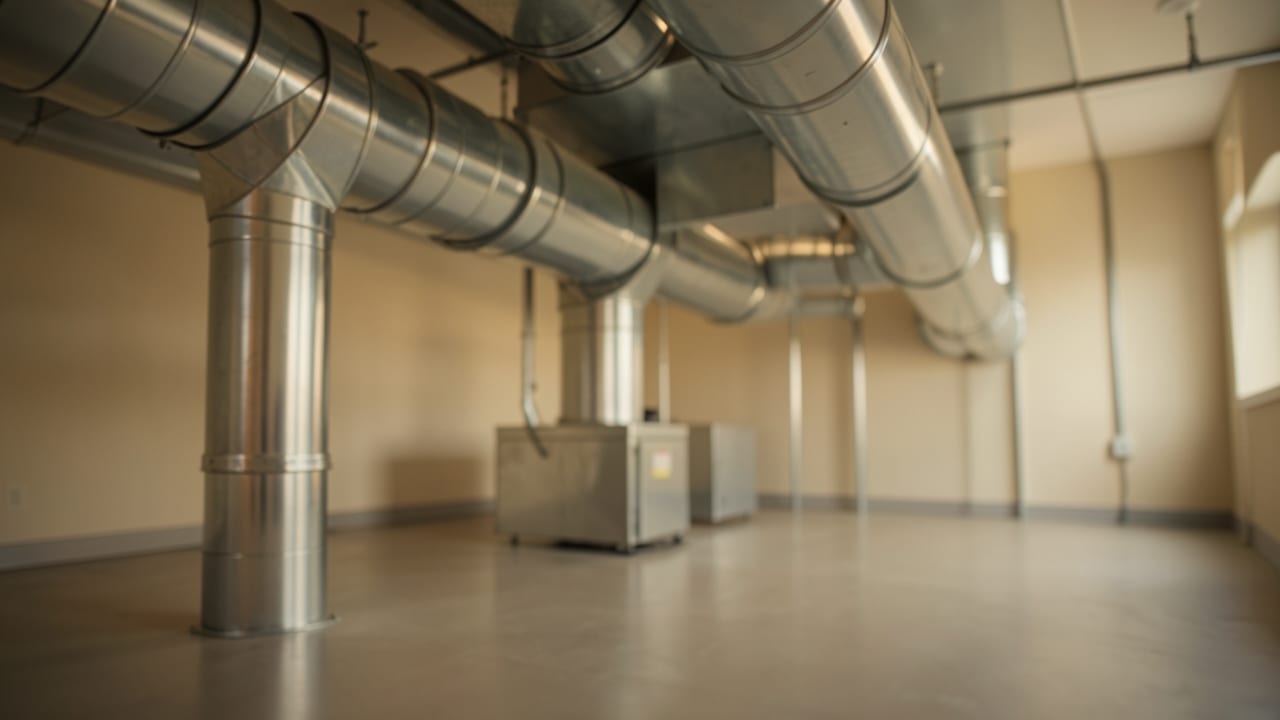
HVAC Mold Remediation
HVAC and ductwork mold remediation in Park Hall, MD — mold growing inside the air handler or duct system, spreading through every vent.
In Park Hall, MD, HVAC mold remediation targets hidden mold inside ductwork or air handlers, preventing spores from circulating through your entire home. Unlike surface mold, this requires specialized cleaning, containment, and moisture control to ensure long-term safety and system efficiency.
Why HVAC Mold Is Different in Park Hall Homes
Mold inside your HVAC system isn’t just unsightly—it’s actively spread by your heating and cooling system. Every time the system runs, spores travel through ducts, reaching rooms that wall or crawl space mold never would. In Park Hall’s humid summers and damp basements, this hidden growth thrives undetected until a musty odor or allergy symptoms appear.
We also handle Salt Air Mold Remediation and Pest Infestation Mold Remediation for Park Hall properties.
Unlike surface mold, HVAC mold often starts in damp cooling coils, condensation-laden ducts, or poorly insulated sections. Standard mold inspections may miss it until air samples reveal the system as the source. Without proper remediation, the problem recurs quickly, compromising air quality and system performance.
| Sign of HVAC Mold | What It Means |
|---|---|
| Musty smell when HVAC turns on | Spores are being circulated through vents |
| Visible mold on vent covers | Likely a sign of growth deeper in the system |
| Excess condensation in ducts | Moisture source feeding mold growth |
| Increased allergy symptoms indoors | Spores may be spreading via air handler |
What Affects the Cost and Timeline
Pricing for HVAC mold remediation in Park Hall depends on system size, ductwork accessibility, and the extent of contamination. Larger homes with complex duct layouts or severely affected coils may require more labor and materials. Fixing underlying moisture issues, like a clogged drain line, adds to the scope but prevents recurrence.
Most jobs take 1–3 days, with containment setups and post-cleaning verification adding time. Replacing heavily contaminated duct sections or coils can extend the timeline. A thorough inspection provides a firm quote tailored to your system’s needs.
How HVAC Mold Remediation Works
Our process ensures spores are contained, removed, and prevented from returning.
- 1Containment Setup
Seal supply and return vents with plastic sheeting and negative air pressure to prevent spores from spreading during cleaning. HEPA air scrubbers run continuously to capture airborne particles.
- 2System Inspection & Testing
Inspect ductwork, coils, and air handlers with cameras and moisture meters. Air samples confirm the extent of contamination and guide the remediation plan.
- 3Cleaning & Treatment
Use HEPA vacuums and antimicrobial cleaners to remove mold from ducts, coils, and air handlers. Severely contaminated sections may be replaced. Coils are treated with EPA-approved fungicides.
- 4Moisture Source Repair
Fix underlying issues like clogged drain lines, improper insulation, or poor ventilation to prevent regrowth. This step is critical for long-term success.
- 5Post-Remediation Verification
Conduct final air quality testing to confirm mold levels are safe. A clear report provides peace of mind.
Frequently Asked Questions
How do I know if my HVAC system has mold?
Look for musty odors when the system runs, visible mold on vents, or increased allergies indoors. An air quality test or professional inspection can confirm if mold is present in the system.
Can I clean HVAC mold myself?
No. DIY cleaning risks spreading spores and missing hidden growth. Professionals use containment, specialized equipment, and treatments to ensure thorough, safe removal.
Will mold come back after remediation?
Not if the underlying moisture issue is fixed. Our process includes identifying and repairing the source, such as a clogged drain line or poor insulation, to prevent recurrence.
Does homeowners insurance cover HVAC mold remediation?
Coverage varies by policy. Some insurers cover mold if it results from a sudden, accidental event (e.g., a burst pipe). Review your policy or ask your agent for details.
See Wildewood, MD for more, or browse every option available in Park Hall step by step for our complete lineup.
Ready to get started?
Talk to a local mold remediation pro in Park Hall — get a written quote.
Other Mold Remediation Services in Park Hall
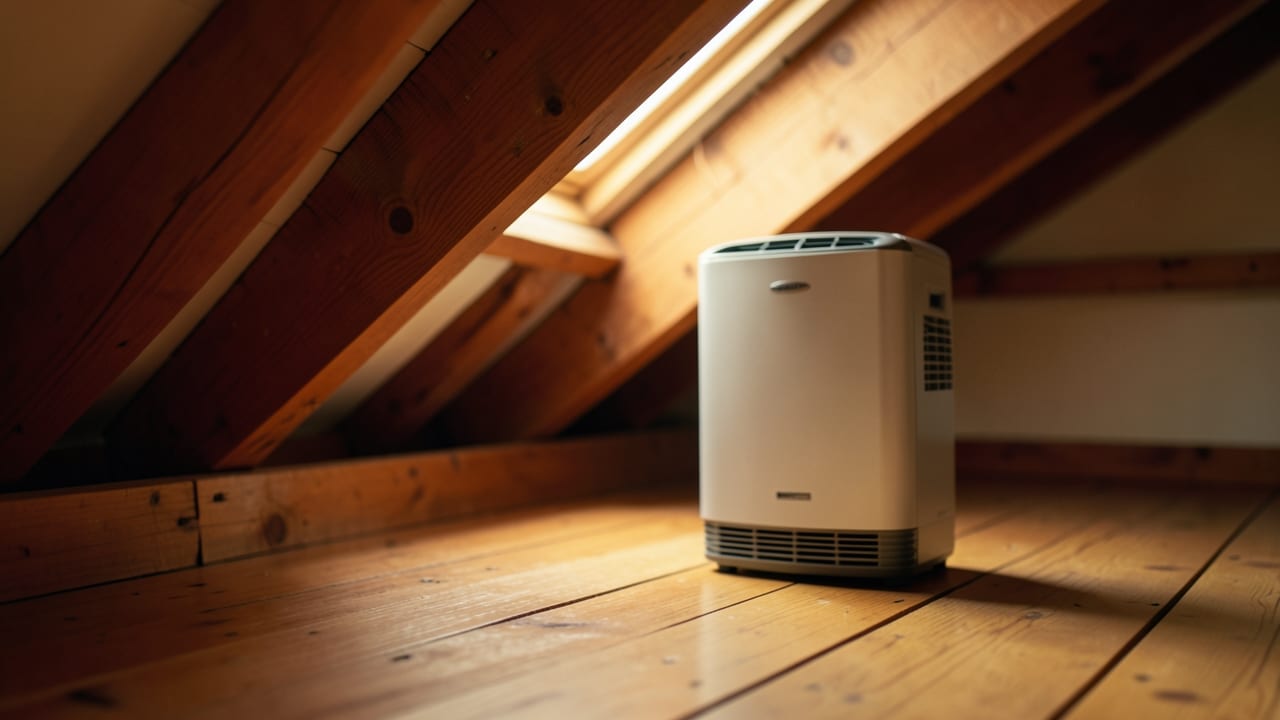
Salt Air Mold Remediation in Park Hall, MD
Professional mold assessment, containment, removal, and prevention in affected areas of the home.
Learn More
Pest Infestation Mold Remediation in Park Hall, MD
Professional mold removal and remediation for pest-related infestations in homes.
Learn More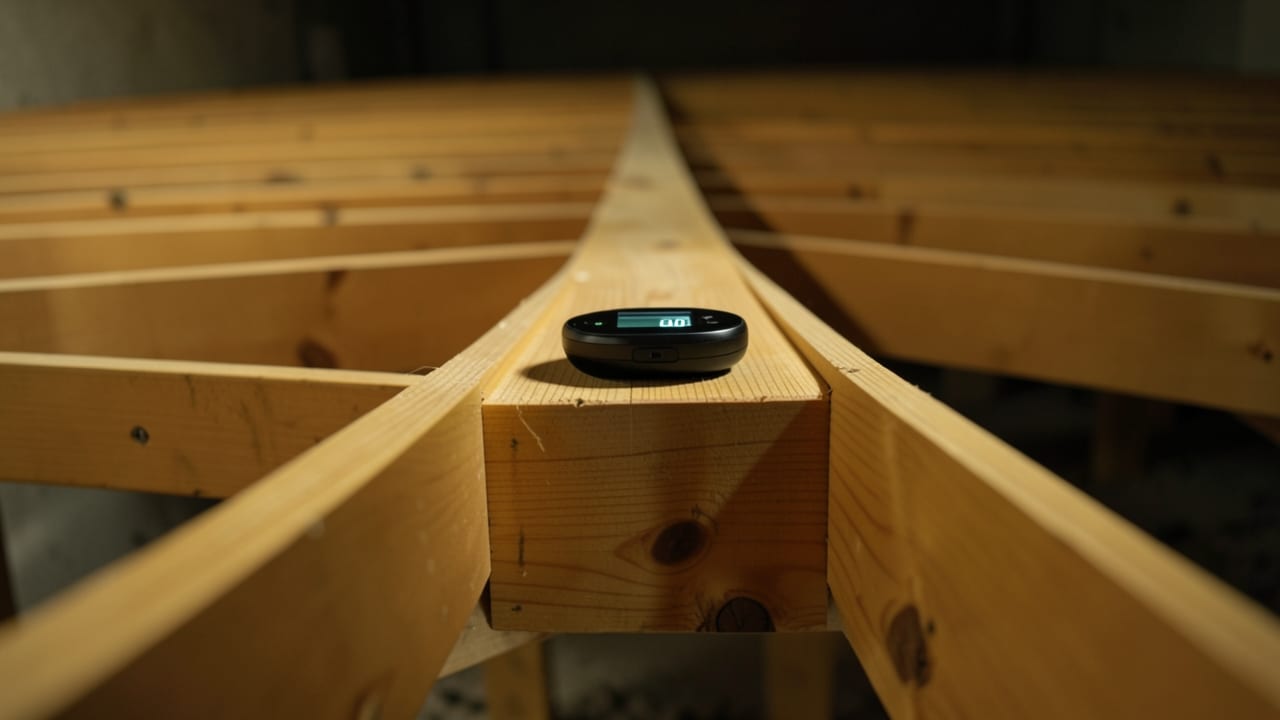
Spring Mold Inspection in Park Hall, MD
Professional assessment and identification of mold growth in homes.
Learn More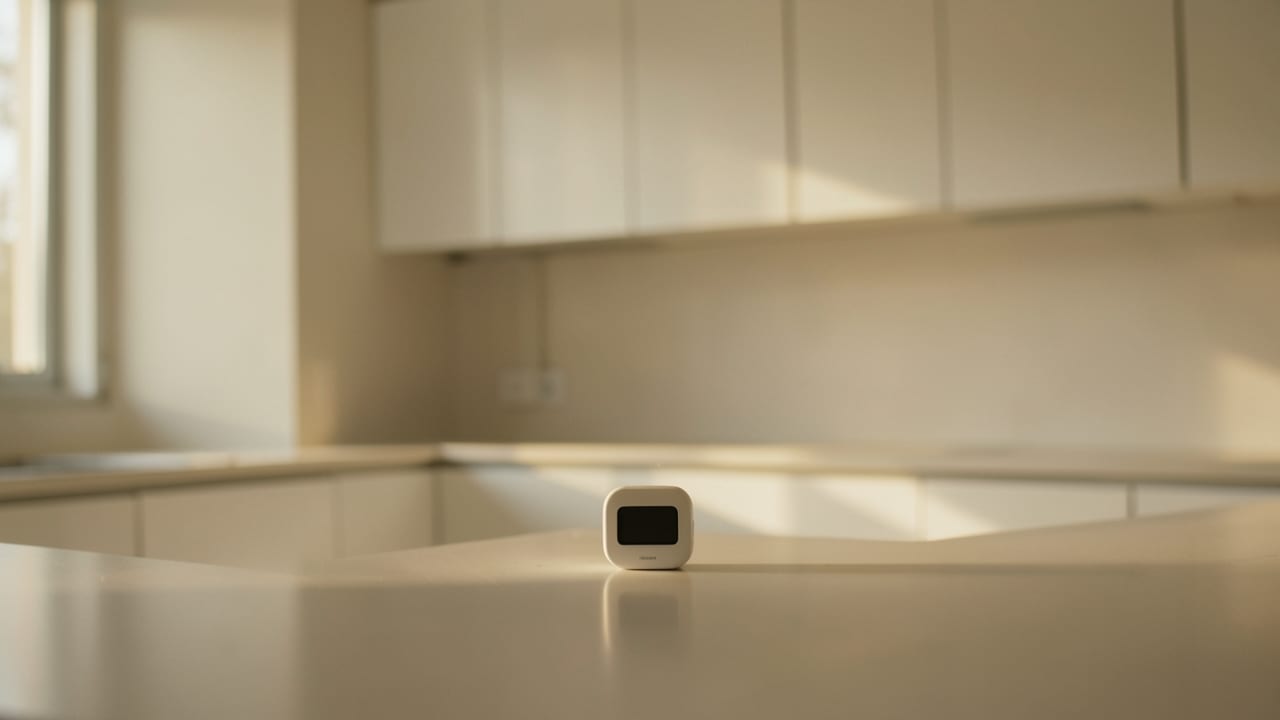
Move-In Mold Assessment in Park Hall, MD
Professional inspection and assessment of mold presence before moving into a property.
Learn More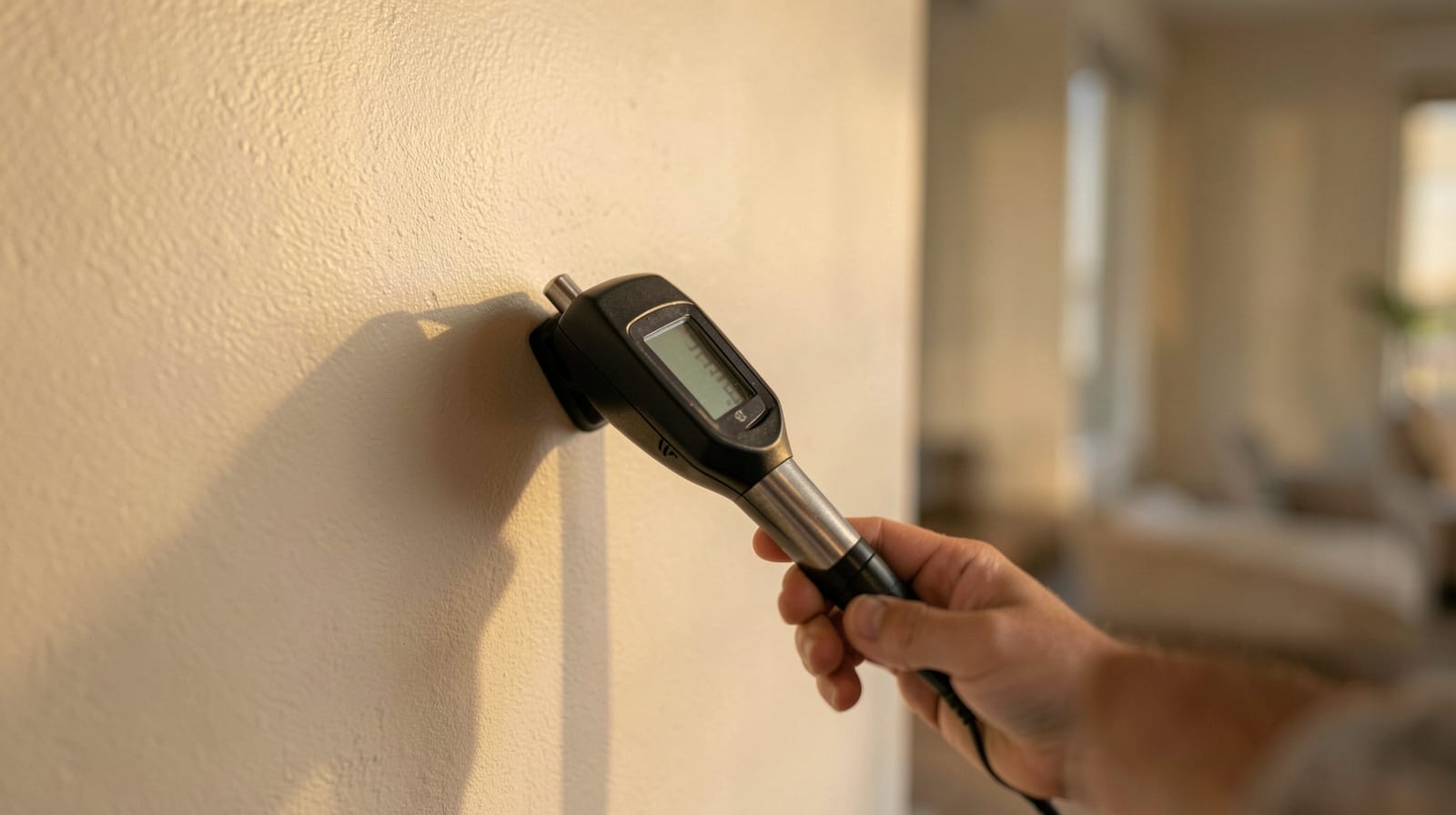
Mold Inspection in Park Hall, MD
Mold inspection in Park Hall, MD — a visual and moisture-meter assessment that finds the source of growth, not just the visible spot on the wall.
Learn More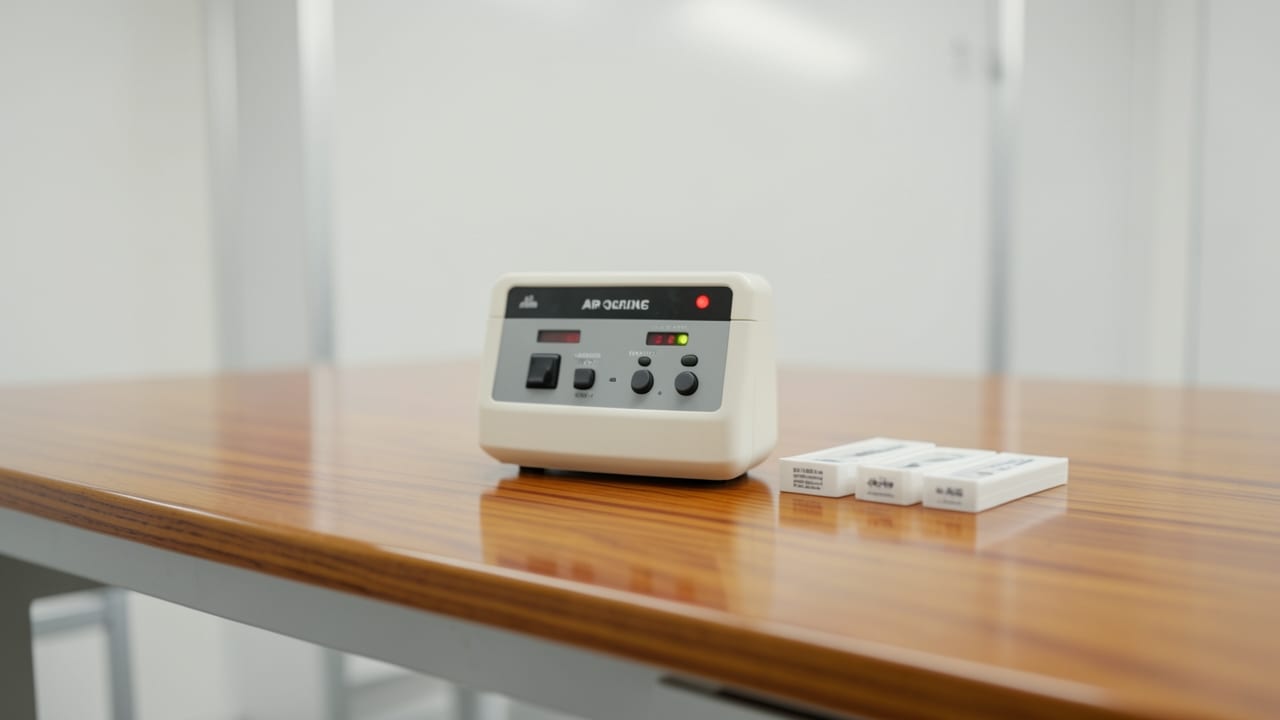
Mold Testing & Air Quality Testing in Park Hall, MD
Mold and indoor air quality testing in Park Hall, MD — lab-analyzed air and surface samples confirm what's actually growing and whether it's airborne.
Learn MoreCommon Questions About Mold Remediation in Park Hall
Everything you need to know about mold remediation services in Park Hall
How much does HVAC Mold Remediation typically cost in Park Hall, MD?
Why does Park Hall, MD's humidity make mold a bigger risk than in drier regions?
What's the actual difference between mold removal and mold remediation?
Is a final clearance test part of a typical mold remediation job?
How does mold remediation actually prevent the problem from coming back?
Can mold growing inside HVAC ductwork spread to the rest of a home?
Need Mold Remediation in Park Hall?
Connect with local providers in Park Hall for a detailed quote.
⏰ We answer your call • Serving all of Park Hall and surrounding areas