Understanding the Professional Mold Remediation Process for Park Hall Homes
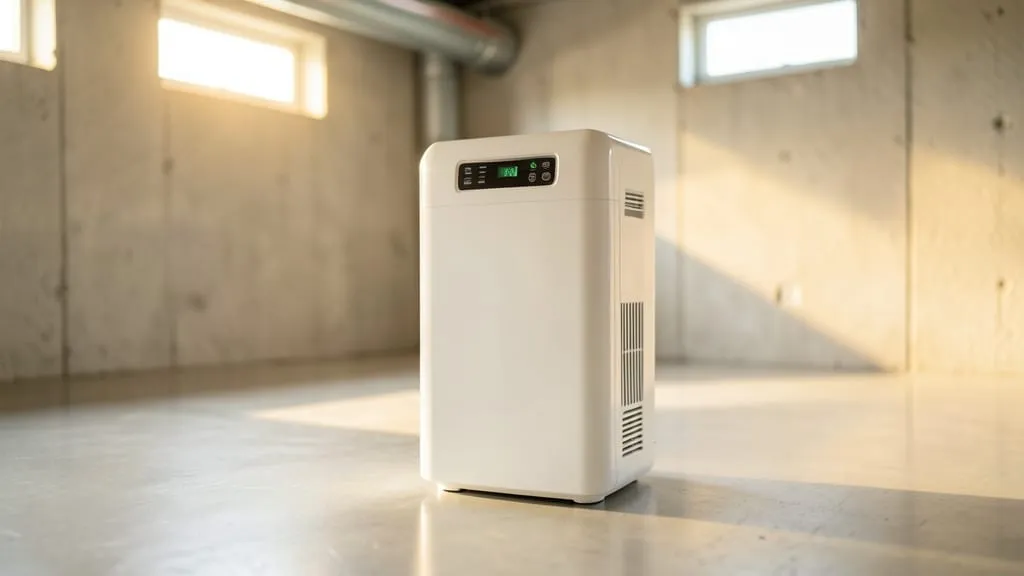
Mold growth in Park Hall homes often stems from the region’s humid subtropical climate, where moisture lingers in basements, crawl spaces, and attics. Professional remediation follows a structured process to safely remove mold and prevent recurrence, addressing both visible colonies and hidden spores in the air or within materials.
Initial Assessment and Mold Inspection
A thorough inspection identifies the extent of mold growth, moisture sources, and affected materials. Crews in the area typically use moisture meters, thermal imaging, and air sampling to detect hidden mold behind walls or under flooring.
Inspections often reveal secondary issues like water-damaged drywall, compromised insulation, or HVAC contamination, which must be addressed during remediation.
Mold testing and air quality testing can confirm spore types and concentrations, especially after water damage or sewer backups. Always request written reports.
Containment to Prevent Spore Spread
Containment barriers, usually 6-mil polyethylene sheeting, isolate the work area to prevent spores from migrating to clean spaces. Negative air pressure systems with HEPA filtration capture airborne spores during removal.
For severe infestations in Park Hall, full containment may extend to HVAC vents or adjacent rooms, especially in multi-story homes or properties near the Patuxent River where humidity is persistent.
Air Filtration and Purification
HEPA air scrubbers run continuously during remediation to capture mold spores as small as 0.3 microns. These machines are critical in open spaces like basements or attics, where spores can disperse widely.
Post-remediation, air quality testing verifies spore levels have returned to normal, a step often required for clearance in rental properties or commercial spaces.
Mold Removal: Porous vs. Non-Porous Materials
Porous materials like drywall, insulation, or carpet often require removal and replacement, as mold roots penetrate deeply. Non-porous surfaces (e.g., glass, metal, or sealed concrete) can usually be cleaned with antimicrobial solutions.
In Park Hall, crawl space mold remediation frequently involves removing contaminated insulation and treating joists, while attic projects may focus on roof decking and ventilation improvements.
| Material Type | Typical Action | Notes |
|---|---|---|
| Drywall | Remove and replace | Often cut 12-18 inches beyond visible mold |
| Insulation | Remove and replace | Fiberglass and cellulose hold moisture |
| Concrete | HEPA vacuum + antimicrobial | Sealing may be required post-cleaning |
| Metal ductwork | Clean with wire brushes/HEPA vacuum | Followed by antimicrobial fogging |
| Glass windows | Clean with detergent or vinegar solution | Non-porous; less invasive treatment |
Antimicrobial and Biocide Applications
After physical removal, EPA-registered antimicrobials or biocides are applied to kill remaining spores and prevent regrowth. These treatments are especially critical in high-moisture areas like bathrooms, laundry rooms, or basements.
For HVAC mold remediation, ductwork may be treated with fogging agents to reach hidden spores, followed by thorough drying to prevent recurrence.
Household bleach is ineffective on porous materials and can worsen mold issues by adding moisture. Professional-grade products are required for lasting results.
Drying and Moisture Control
Industrial dehumidifiers and high-velocity air movers dry the area completely, typically bringing moisture levels below 50% to inhibit future growth. This step is non-negotiable in St. Mary’s County, where seasonal humidity can exceed 70%.
Long-term moisture control may include repairing leaks, improving drainage, or installing vapor barriers in crawl spaces. Basement mold remediation often pairs with sump pump checks or French drain inspections.
Post-Remediation Verification and Clearance Testing
A final inspection with moisture meters and air sampling confirms the remediation’s success. Clearance testing, often performed by a third-party inspector, ensures spore levels meet industry standards.
For commercial mold remediation in Park Hall—such as schools, clinics, or restaurants—clearance documentation is frequently required for reoccupancy or compliance with local health codes.
Post-Remediation Checklist
- Visual inspection for remaining mold or water stains
- Moisture level testing in walls, floors, and ceilings
- Air quality testing for spore counts
- HEPA vacuuming of all surfaces
- Documentation of all steps and results
How to Prepare Your Park Hall Home for Mold Remediation
Taking these steps before professionals arrive can streamline the process and protect your belongings.
- 1Clear the Affected Area
Remove furniture, decor, and personal items from the work zone. Porous items like upholstered furniture or mattresses may need professional cleaning or disposal if contaminated.
- 2Turn Off HVAC Systems
Prevent spores from spreading through ductwork by shutting down heating, cooling, and ventilation systems until containment is established.
- 3Seal Off Adjacent Spaces
Use plastic sheeting and painter’s tape to temporarily seal doorways or vents leading to clean areas, especially in multi-level homes.
- 4Address Immediate Moisture Sources
Fix active leaks or standing water (e.g., from a burst pipe or sewer backup) to prevent further damage. A wet/dry vacuum can help extract water from carpets or hard floors.
- 5Protect Sensitive Individuals
Children, elderly residents, or those with respiratory conditions should vacate the home during remediation, as airborne spores can exacerbate health issues.
Frequently Asked Questions
How long does professional mold remediation take in Park Hall?
Timelines vary by scope, but most residential projects take 1–5 days. Larger or commercial jobs—such as warehouse mold cleanup or school remediation—may require 1–2 weeks, especially if structural drying is needed.
Can mold return after remediation?
Yes, if moisture issues persist. Post-remediation, homeowners should monitor humidity, repair leaks promptly, and consider dehumidifiers in basements or crawl spaces. Annual mold inspections can catch early signs.
Is mold remediation covered by insurance in Maryland?
Coverage depends on the policy and the mold’s cause. Sudden events like pipe bursts or storm damage are often covered, while long-term neglect (e.g., unaddressed humidity) typically isn’t. Review your policy or consult an adjuster.
What’s the difference between mold removal and mold remediation?
Mold removal refers to physically eliminating mold from surfaces, while remediation addresses the root cause (e.g., moisture) and includes containment, cleaning, and prevention. Remediation is the comprehensive, industry-standard approach.
Are there specific mold risks in Park Hall due to the climate?
Yes. The area’s warm, humid summers and proximity to the Patuxent River create ideal conditions for mold growth in basements, crawl spaces, and attics. Flooding from storms or high water tables also increases the need for flood damage mold remediation.
Do I need to test for mold before remediation?
Testing isn’t always required if mold is visible, but it’s recommended for hidden growth (e.g., behind drywall) or to confirm spore types. Post-remediation testing is critical to verify clearance, especially for real estate transactions or rental properties.